
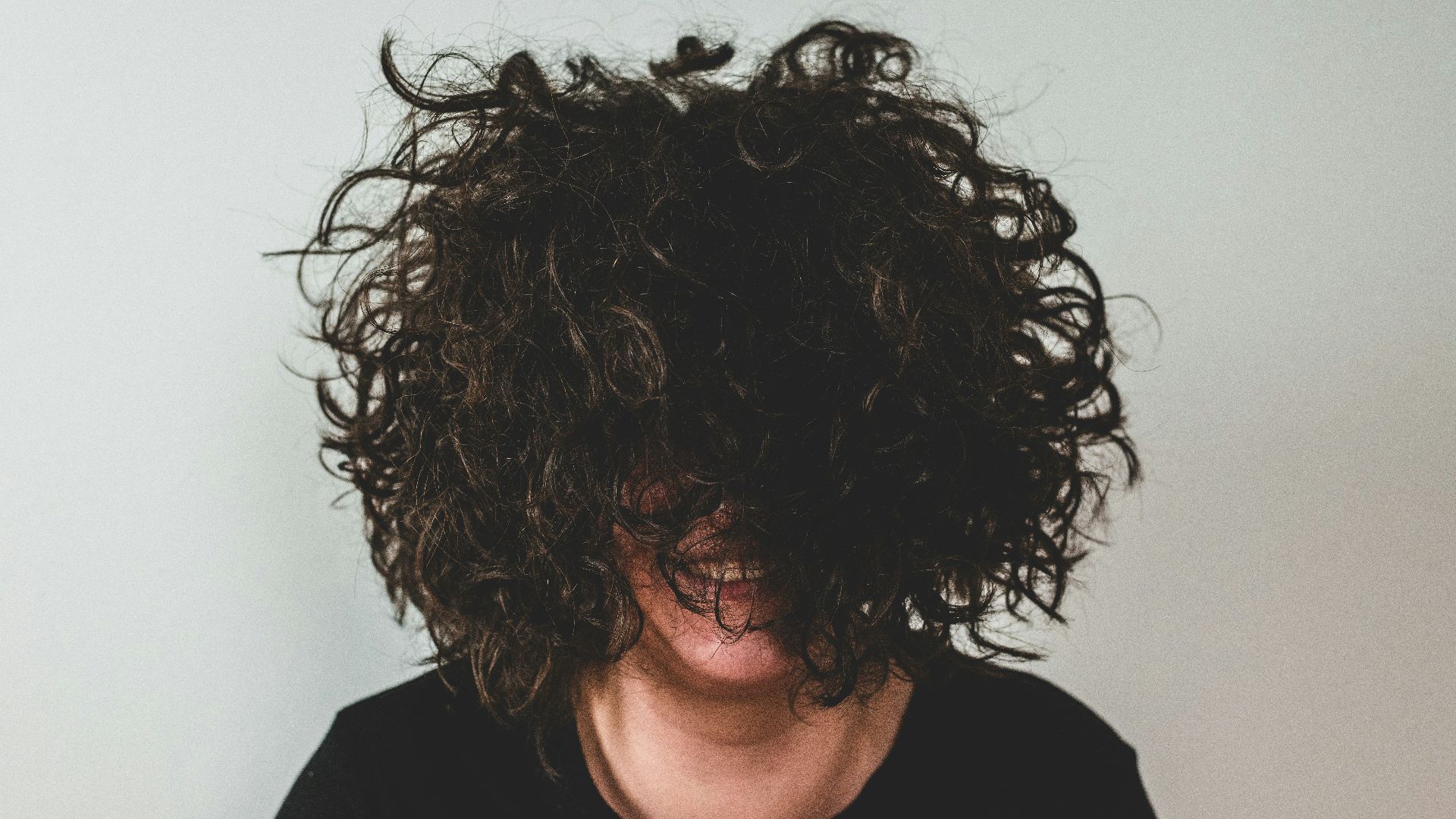
Wavy and curly hair can seem like close cousins, but they behave differently enough that your routine, products, and expectations will undoubtedly shift. But it doesn’t have to be hair mayhem! When you understand what you’re working with, you’ll spend less time wrestling with your hair and more time enjoying the fact that it’s doing something interesting on its own.
The Pattern Isn’t Just “More or Less”
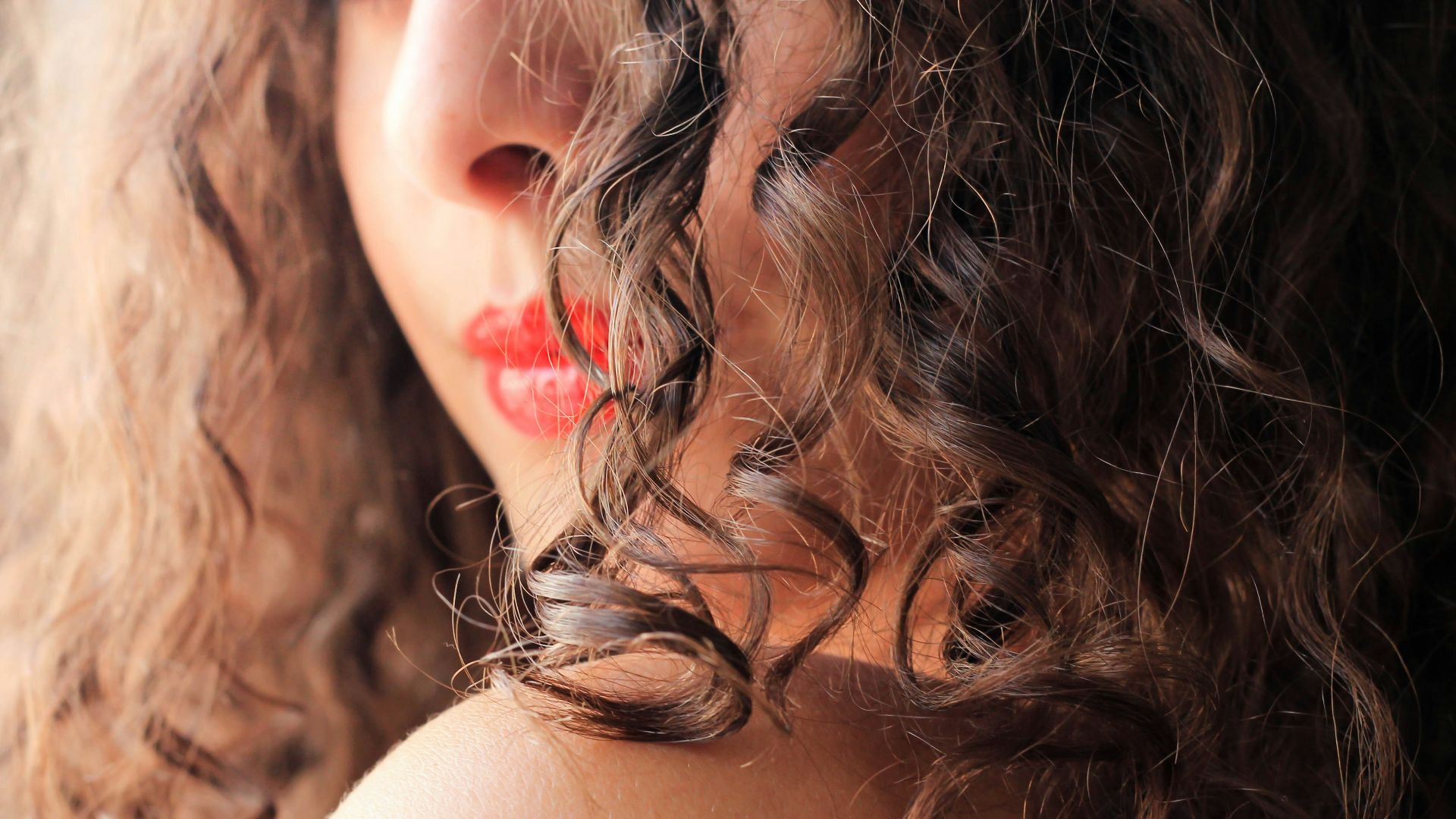
Wavy hair typically forms an “S” shape that can look soft and stretched, especially near the roots. Curly hair, however, tends to loop into more distinct spirals or ringlets. That difference matters—curls usually hold a tighter structure, whereas waves can relax quickly if they’re weighed down.
Frizz Shows Up in Different Ways
With waves, frizz often looks like a fuzzy halo, particularly at the crown. Don’t get us wrong, curly hair can frizz too, but it may appear as expanded volume and less-defined clumps, which sometimes reads as bold and beautiful rather than straight-up unruly.
Product Weight Is a Bigger Deal for Waves
Wavy hair usually gets overwhelmed by heavy products, which often flattens the shape and leaves strands limp. Curly hair, on the other hand, benefits from those richer formulas because curls tend to be drier. That means they need more lubrication to stay bouncy and defined.
Styling Technique Affects Each Type Differently
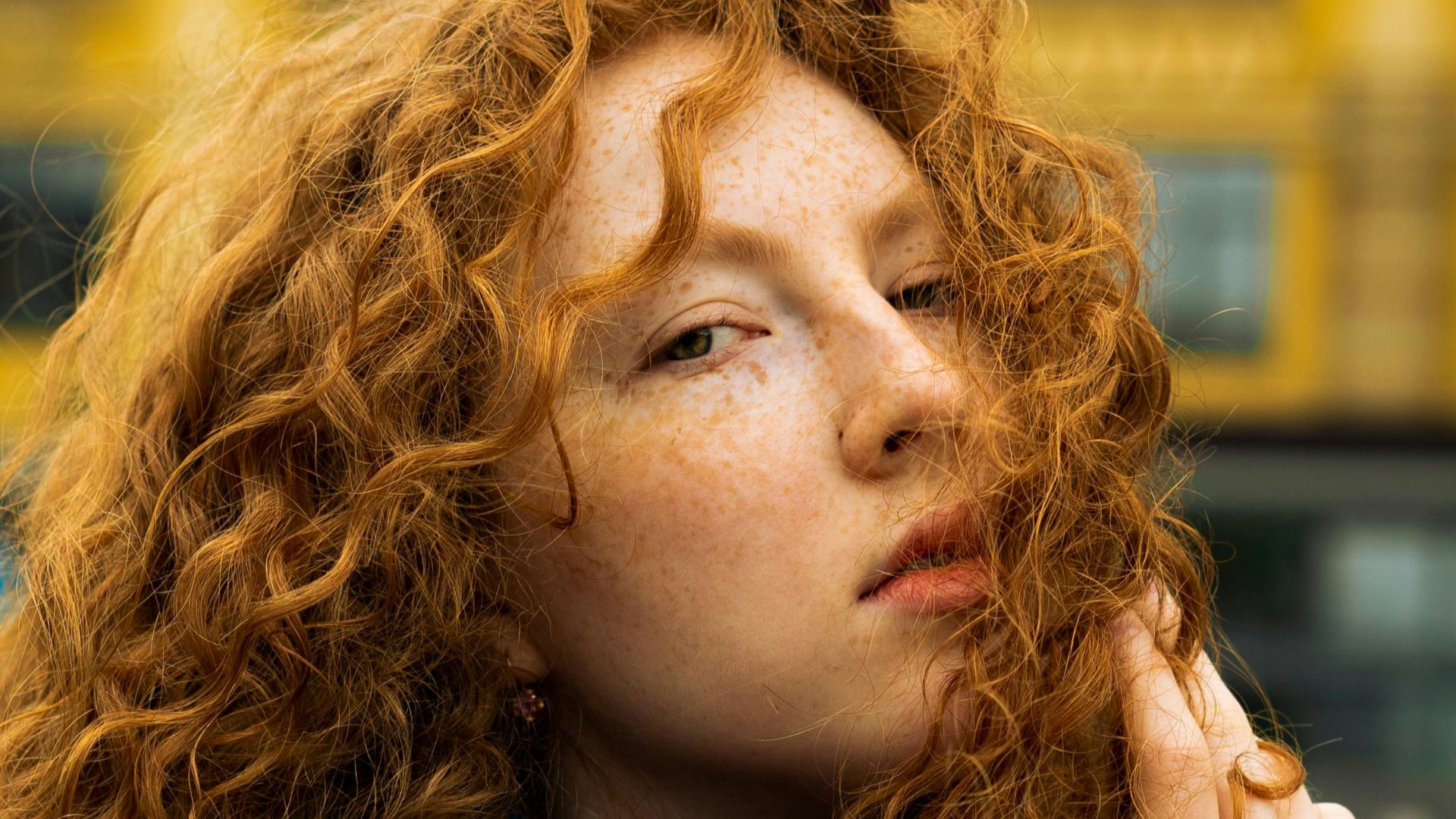
Waves often respond best when you encourage movement without over-manipulating, so light scrunching and gentle diffusion can go a long way. Curly hair typically thrives on deliberate clumping methods—like applying product to soaking wet hair and using a “praying hands” motion—because definition depends on keeping those curl groups intact.
Your Cut Needs Change the Outcome
Wavy hair can look fuller and more polished with subtle layers that prevent the bottom from going in its own direction. However, curly hair prefers more intentional shaping, since curls shrink and stack.